
.jpg "全商品 パンチ用ハイスピン")
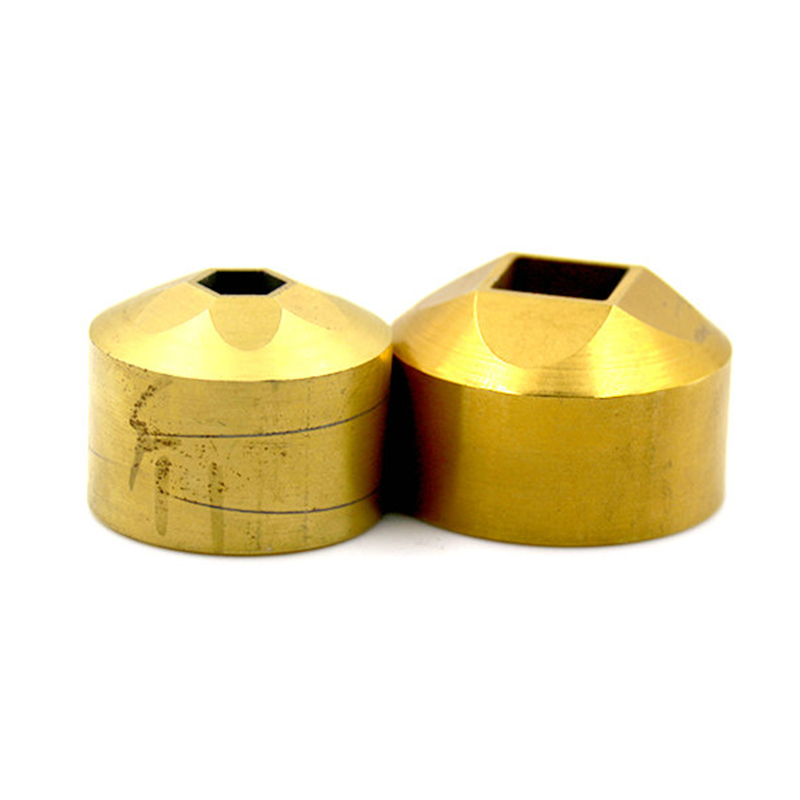
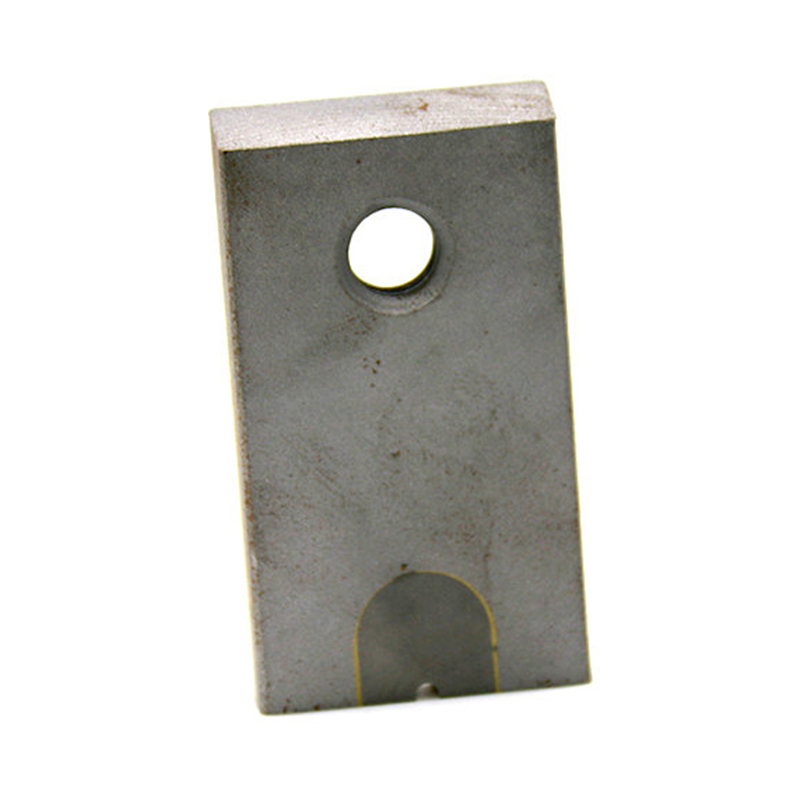
.jpg "高精度超硬冷間圧造ダイス")
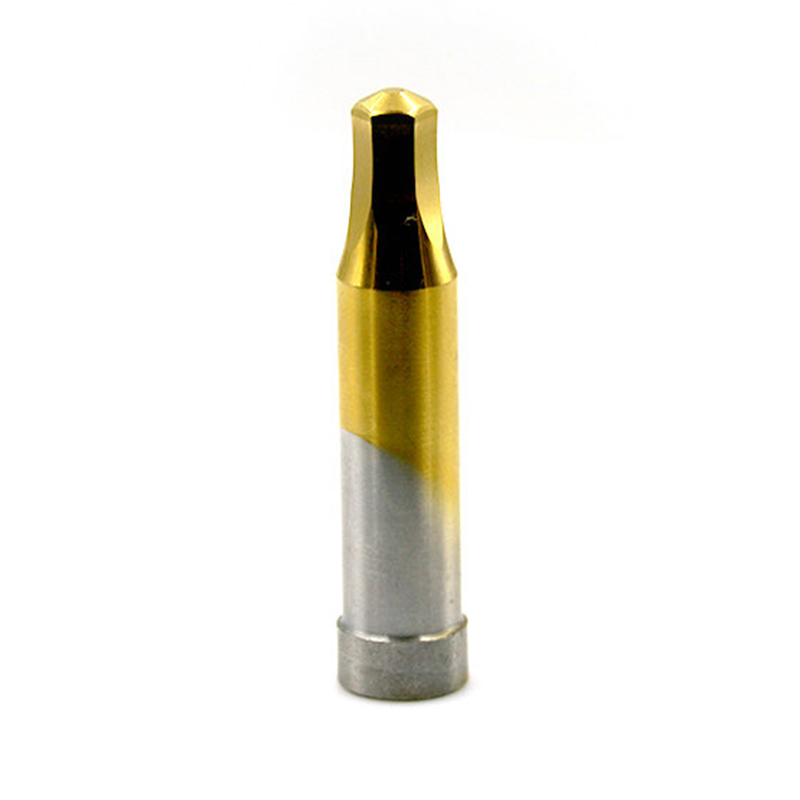
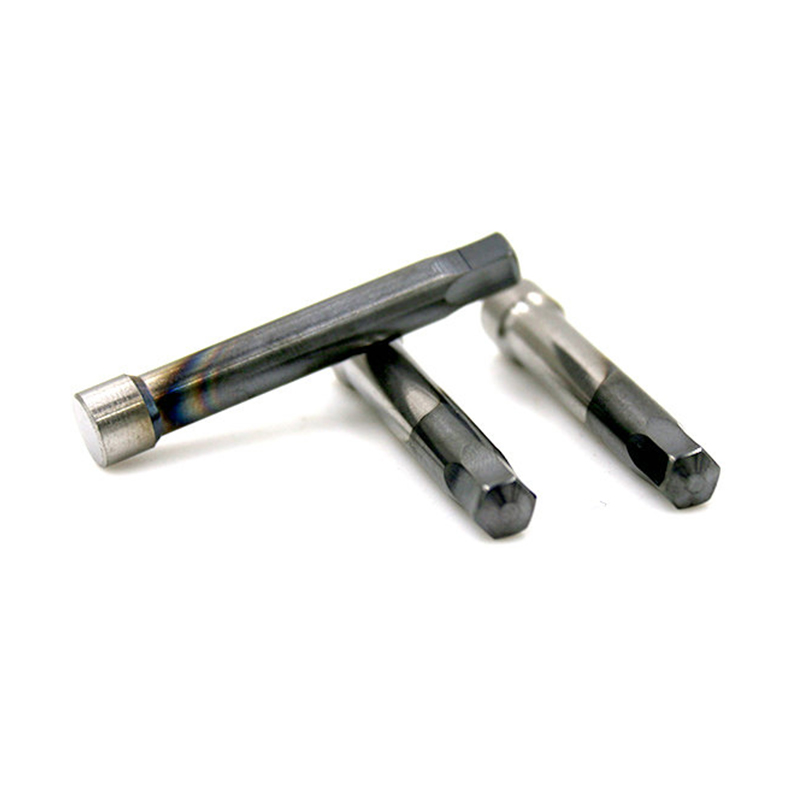
.jpg "ネジ超硬ダイスファーストパンチダイスとファーストパンチケース")
盗難防止ネジは、誰かが外そうとする瞬間までは普通の留め具のように見えます。違いはドライブの凹みにあります。ヘッドはプラス十字や普通の六角ソケットではなく、日常の工具では適合しない形状になっています。この 1 つの設計上の決定により、低コストのネジが小さいながらも効果的な抑止力に変わります。そのため、ナンバー プレート、自動販売機、リフト パネル、街路照明、屋外標識に不正開封防止ファスナーが使用されています。 これ......
続きを読むSuzhou Anzhikou Hardware Technology Co., Ltd. は精密ネジの開発、生産、販売を一体化したメーカーです。 冷間圧造ダイス メーカー および 冷間圧造ダイス 工場 中国。同社の既存工場は2000平方メートルの敷地を有し、台湾と日本から200台以上の精密設備を導入しており、冷間圧造、転造ワイヤー、CNC、緩み止めなどのファスナー生産設備一式を含み、外径0.6mm/長さ0.6mmの微小ネジを生産可能で、標準部品と非標準ネジの年間生産能力は最大2000平方メートルです。
安治口金物は充実した試験設備を備え、ISO9001:2015品質システム認証を取得しており、20年の産業生産・開発経験、20年の業界経験を持つエンジニアリング・技術スタッフ10名が、顧客のニーズに応じて様々な非標準ネジをカスタマイズします。 卸売 冷間圧造ダイス、異なる顧客の品質と数量要件に対応します。蘇州安治口精密ネジは優れた製品品質で、世界中の40の国と地域に輸出されています。

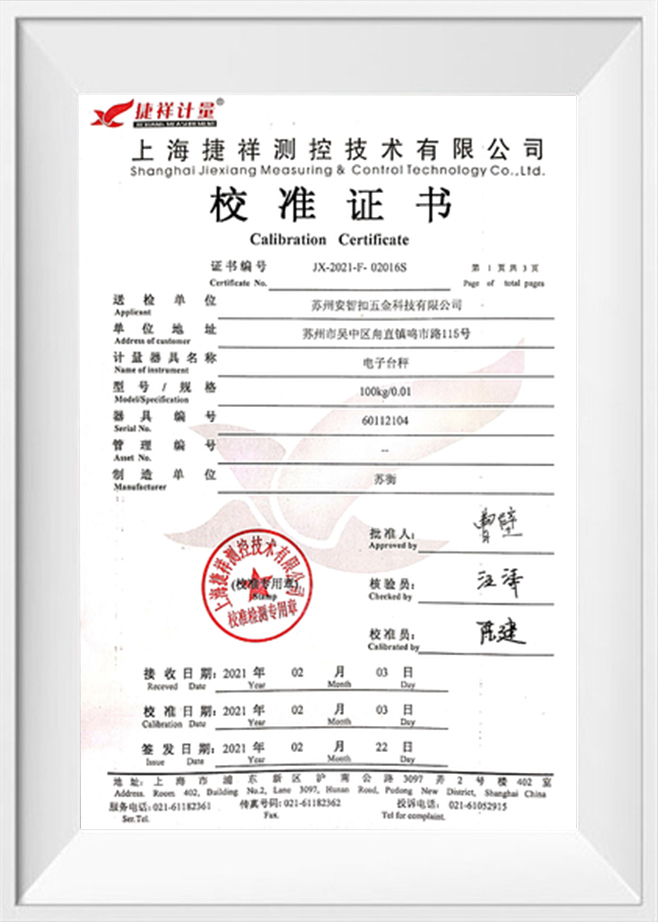
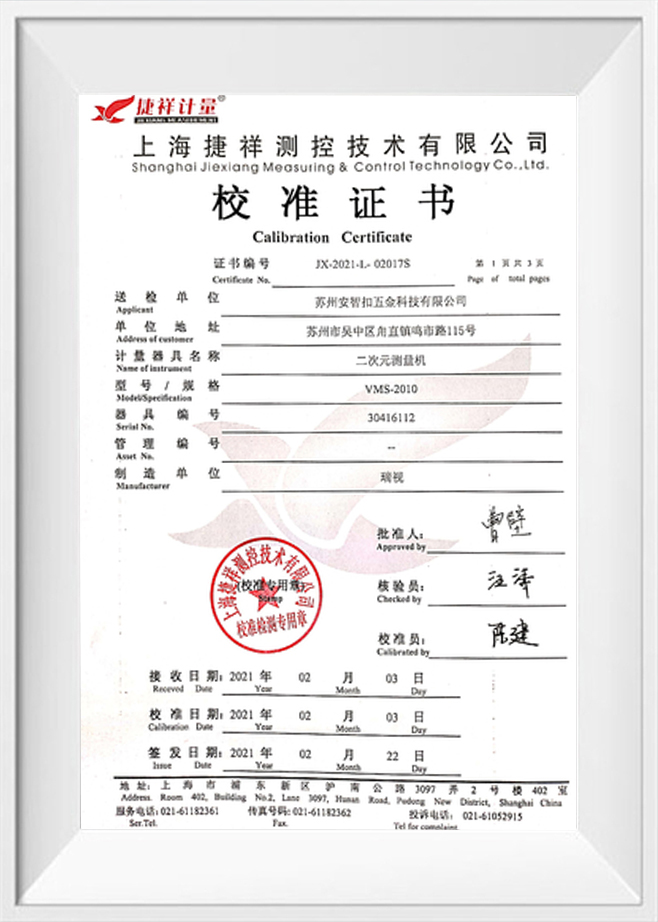
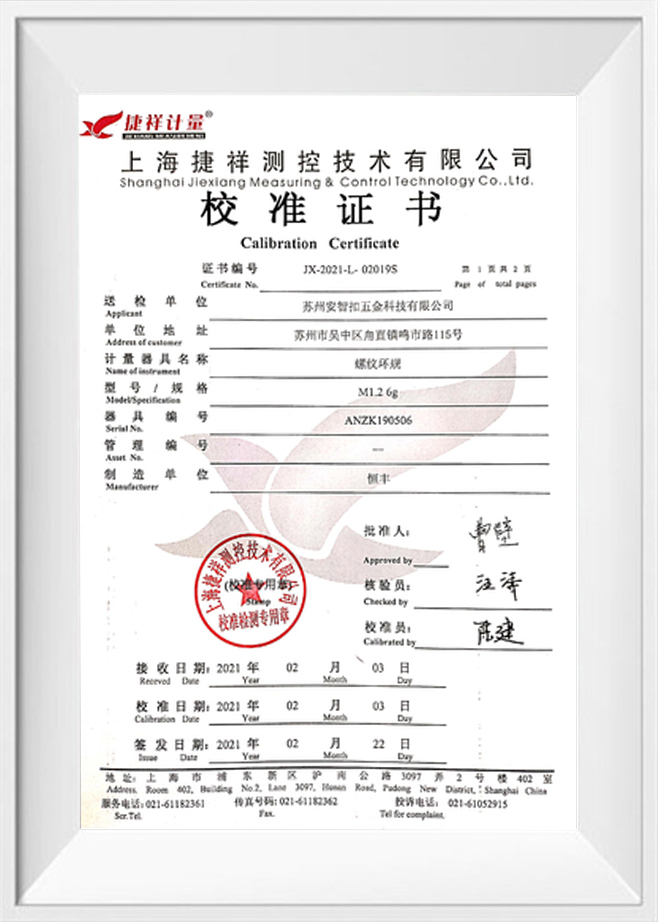
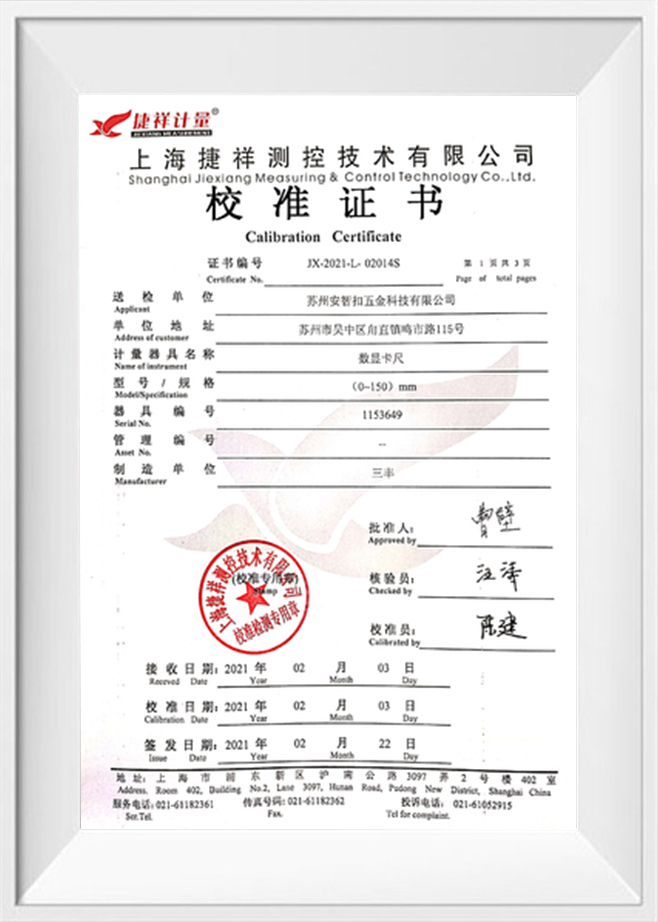
盗難防止ネジは、誰かが外そうとする瞬間までは普通の留め具のように見えます。違いはドライブの凹みにあります。ヘッドはプラス十字や普通の六角ソケットではなく、日常の工具では適合しない形状になっています。この 1 つの設計上の決定により、低コストのネジが小さいながらも効果的な抑止力に変わります。そのため、ナンバー プレート、自動販売機、リフト パネル、街路照明、屋外標識に不正開封防止ファスナーが使用されています。 これ......
続きを読むサスペンション コントロール アームを交換したり、トレーラー フレームを構築したり、プロセス ラインでフランジを締めたりしているときに、3/4-10 ボルトがトルク仕様を待っています。最も直接的な答えは、3/4-10 ボルトは、その等級と状態に応じて約 150 ~ 400 lb-ft のトルクで締めることができるということです。ボルトがグレード 2 の場合は、乾燥状態で約 150 ポンドフィートを使用します。グレード 8 の......
続きを読む忙しい機械工場では、最終組み立て中に最も発見したくないことは、 六角穴付ボルト 座ぐりは 0.010 インチです。以前、メンテナンスエンジニアから、標準カタログで注文した1/4-20 SHCSについて問い合わせがありました。ネジのピッチは正しいのですが、ヘッドの高さがアクセス可能なスペースを超えており、六角レンチがソケット内で緩んでいる感じがしました。問題は指定ではありませんでした。それは仕上げ、公差、......
続きを読む一夜にして配達用バンからナンバープレートが消える。誰かがコインですべての留め具を外したため、トイレの仕切りが緩んでしまいました。一時避難所でアクセスパネルが失われるのは今四半期で 3 回目です。 3 つのケースすべてにおいて、失敗の原因はネジの強度ではありません。標準的なマイナス ドライバーまたはプラス ドライバーがネジの頭に適合していることが原因です。したがって、最良の安全ネジは、1 つの汎用部品ではありません。これは、耐......
続きを読むIndustry knowledge
The longevity of cold heading dies is dictated primarily by carbide grade selection and heat treatment protocol. For high-volume production of stainless steel fasteners, we typically specify sub-micron tungsten carbide grades (WC-Co) with cobalt content between 10-12%. This composition delivers an optimal balance of transverse rupture strength and wear resistance. At Suzhou Anzhikou Hardware, our 20 years of non-standard screw customization has taught us that premature die failure is almost always traceable to improper stress relief during the grinding process, not the base material itself.
Surface treatments significantly extend service intervals. Titanium aluminum nitride (TiAlN) coatings applied via physical vapor deposition (PVD) reduce galling when forming 304 and 316 stainless. For titanium or high-nickel alloys, we've found that a duplex treatment—nitriding followed by PVD coating—prevents micro-cracking at the die radius. We promise product quality and delivery time on every order, and that commitment extends to the tooling we develop in-house.
Die cavity geometry determines material flow and final fastener integrity. Three features demand particular attention during design review:
As Suzhou Anzhikou Hardware integrates development, production, and sales, we've accumulated performance data showing that optimized venting alone can increase die life by 30% on high-speed progressive headers. We bring this engineering rigor to every customer-specific fastener solution.
Recognizing failure patterns in cold heading dies allows for root-cause correction rather than simple replacement. The table below summarizes field-observed modes and their typical mechanical origins.
| Failure Mode | Appearance | Primary Cause | Corrective Action |
|---|---|---|---|
| Fatigue Spalling | Pitting or flaking at cavity radius | Cyclic stress beyond material endurance limit | Increase radius; reduce heading force through multi-stage forming |
| Adhesive Wear | Material transfer streaks along die wall | Insufficient lubrication or coating breakdown | Upgrade to TiAlN coating; increase lubricant viscosity |
| Crack Initiation | Circumferential cracks at insert-shrink ring interface | Incorrect interference fit in pre-stressing ring | Verify 0.4-0.6% interference based on bore diameter |
Our engineering team, with an average of 20 years of industry production and development experience, conducts failure analysis on every returned tool set to continuously improve our process parameters. This feedback loop is central to the quality-first philosophy at Suzhou Anzhikou Hardware.
For carbon and low-alloy steel wire, zinc phosphate coating remains the most reliable carrier for reactive soaps in cold heading dies. The coating's crystal structure must be fine and uniform—a coating weight of 8-12 g/m² achieves the best balance between adhesion and lubricant retention. Coarser crystals fracture under deformation pressure, depositing debris that clogs die vents.
High-speed headers exceeding 200 strokes per minute require oils with extreme pressure (EP) additives based on sulfur-phosphorus chemistry. The boundary lubrication condition inside cold heading dies at these speeds generates instantaneous flash temperatures above 300°C at asperity contacts. EP additives form a sacrificial tribofilm that prevents microwelding between the workpiece and die surface. Slower, high-forming-force operations benefit from higher-viscosity chlorinated paraffin oils, though these are being phased out in many regions due to environmental regulations.
Suzhou Anzhikou Hardware applies these lubrication principles across our complete fastener production equipment set, from cold heading through thread rolling and CNC stages. We're committed to continuous innovation and optimized costs, ensuring that our precision screws—exported to over 40 countries—meet the most demanding application requirements. Contact our team with your non-standard challenge; we promise professional service grounded in two decades of hands-on tooling expertise.

連絡先詳細

住所:いいえ。中国江蘇省蘇州市呉中区蘆志鎮長紅北路248-2。
電話:+86-13913588597
製品
モバイル端末


